
There is something incredibly satisfying about transforming a simple sheet of fresh egg pasta into homemade rigatoni.
The good news is that you don’t need a special pasta extruder to make them. A gnocchi board and a small wooden dowel are enough to create beautiful ridged tubes that hold onto sauce exceptionally well, and that is the beauty of it: making something entirely with your hands.
I especially love this recipe because the result is a rustic handmade pasta with plenty of character—and no two pieces will look exactly alike.
WHAT IS RIGATONI?
Rigatoni is a short, tubular pasta traditionally made from durum wheat semolina and water. The name comes from rigato, meaning “ridged” in Italian. Those characteristic ridges aren’t just decorative. They are functional as they help sauces cling to the pasta, while the hollow center captures chunky sauces beautifully.
Traditional dried rigatoni is extruded rather than rolled by hand. When egg pasta is rolled around a dowel over a ridged board, the technique is closely related to making garganelli.
For this homemade version, I make the pieces larger and straighter to recreate the shape and experience of rigatoni using equipment you probably already have at home.
WHY YOU’LL LOVE HOMEMADE RIGATONI
This is a wonderful way to use leftover fresh pasta dough, and you don’t need an extruder or special rigatoni attachment.
The ridged surface is fantastic with vegetable and meat sauces, while the hollow center catches plenty of sauce.
Most importantly, shaping the pasta is fun. Once you establish a rhythm, making each little tube becomes surprisingly relaxing.
INGREDIENTS
This recipe yields 4 servings and you will need the following ingredients:
- 00 Italian flour: this is the finest Italian flour used to make fresh egg pasta. As usual I recommend to use a digital scale to weigh your flour as cups is not always the best way to measure flour to obtain a perfect pasta dough. I recommend Antimo Caputo 00 flour.
- Durum wheat flour: you will need semolina to add to the dough. Semolina will give your pasta a full sensation of roundness into your palate. In addition you can also sprinkle it over your work surface.
- Eggs: count 1 egg for every 100 gr. For this recipe I used 3 whole eggs. If you want a richer dough, add more egg yolks. If you want a more hydrated dough use the egg whites of one more egg. Make sure you remove the eggs from the refrigerator at least 1 hour before you start making the pasta dough.The eggs at room temperature disperse better into the flour. Ideally you should have 57grams of egg for every 100 gr of flour.
Equipment you will need to make homemade pasta dough
- Pasta machine – I use a marcato Atlas pasta machine. You can also find a more affordable model here. I recommed though marcato as with the time you can buy different attachments to vary your pasta shaping.
- Wooden board – Key for any pasta making, you can use your own wooden board as a good start. If you fall in love with pasta making I recommend to upgrade to a bigger one, like this. A wooden board will prevent your counter top to get ruined by cutting the dough and then the flattened noodle, and it will also be easier to clean up.
- A rolling pin is always good to have especially to flatten the dough before using the pasta machine.
- You will need also a bench scraper will help you to bring the dough together once you have cracked the eggs.
- If you really get into the habits of making your homemade pasta, I also recommend a pasta cutter A knife or pizza wheel will also do the trick.
- Finally I suggest investing in a good quality digital food scale: it will provide you with the precise measure for the ingredients, ensuring the correct ratio of flour to eggs.
- A gnocchi board: this is great to make rigatoni, garganelli, gnocchi, cavatelli and other variety of handmade pasta.
- A small wooden dowel approximately 8–10 mm in diameter: I recommend this set which contains both ferretto and wooden dowels of different dimensions.
HOW TO MAKE HOMEMADE RIGATONI
1. Make the pasta dough and roll it into sheets.
Follow steps 1 and 2 on how to make pasta homemade pasta on my blog. Kindly note that the thickness of the pasta should be adjusted to no more than level 4 of a marcato pasta or Kitchen aid pasta roller. Rigatoni is thicker than lasagne or tagliatelle as it needs a bite.
Keep it wrapped while it comes to temperature so the surface doesn’t dry out.
3. Cut the dough
Cut the pasta sheets into rectangles approximately 1½ x 2 inches (4 x 5 cm). Try to keep the pieces relatively consistent so they cook evenly.


4. Shape the rigatoni
Place one rectangle on the gnocchi board with the short edge facing you. Position the wooden dowel along the edge closest to you and roll the pasta away from you, applying enough pressure to imprint the ridges.
Allow the edges of the dough to overlap slightly. If necessary, moisten the bottom edge with the tiniest touch of water and roll it once more over the board to seal.
Avoid flouring the area where the two edges need to meet or they may not stick together. Carefully slide the finished rigatone off the dowel. Continue with the remaining pasta.


5. Let the pasta rest
Transfer the shaped rigatoni to a tray lightly dusted with semolina, keeping the pieces separated. Let them rest for about 30–60 minutes before cooking. This helps the pasta hold its tubular shape.


HOW TO COOK FRESH RIGATONI
Bring a large pot of generously salted water to a boil. Fresh egg rigatoni cooks considerably faster than dried pasta. Begin checking it after approximately 2½–3 minutes.
Depending on how thick you rolled your pasta, it will generally take about 3–5 minutes. Always taste a piece rather than relying entirely on the clock.
TIPS FOR PERFECT HOMEMADE RIGATONI
- Don’t roll the pasta too thin. A slightly thicker sheet produces a sturdier tube. The thickness of the pasta should be adjusted to no more than level 4 of a marcato pasta or Kitchen aid pasta roller.
- Keep unused dough covered at all times because dry pasta dough becomes difficult to seal.
- Use very little water when sealing. Too much will make the dough sticky.
- And don’t worry about making every rigatone identical. The slightly irregular appearance is part of the beauty of handmade pasta.

Ingredients
- 300 gr flour 00
- 3 units egg whole
- 5-6 tbsp durum wheat flour to dust board and surface
- 3 tbsp water optional, if necessary to seal rigatoni
Instructions
- Make the egg pasta dough. Place the 00 flour on a clean work surface and make a well in the center. Crack the eggs into the well. Beat them gently with a fork, gradually incorporating flour from the edges until a shaggy dough forms.
- Knead the dough. Knead for about 8–10 minutes, until smooth and elastic. Wrap tightly in plastic wrap and let rest at room temperature for at least 30 minutes.
- Roll the pasta. Divide the dough into 4 pieces, keeping the pieces you aren't using covered. Flatten one portion and pass it through the pasta machine, gradually reducing the thickness. With a KitchenAid pasta roller, stop around setting 4, approximately 1–1.2 mm thick.
- Cut the rigatoni. Cut the pasta sheet into rectangles approximately 1½ x 2 inches (4 x 5 cm).
- Shape. Place one rectangle on a gnocchi board with the short edge facing you. Position an 8–10 mm wooden dowel along the edge closest to you.Roll the dough firmly away from you around the dowel, pressing it against the gnocchi board to create the ridges. Allow the edges to overlap slightly.
- If the seam doesn't stick, lightly moisten one edge with water. Roll once more over the board to seal, then gently slide the rigatone from the dowel.
- Rest. Arrange the rigatoni in a single layer on a semolina-dusted tray. Let rest for 30–60 minutes before cooking.
- Cook. Bring a large pot of salted water to a boil. Add the fresh rigatoni and cook for approximately 3–5 minutes, tasting after 3 minutes for doneness.
Notes
- Keep the dough you’re not using covered at all times.
- Avoid adding flour to the edges that need to overlap, or the rigatoni may not seal.
- If the dough begins to dry while shaping, a very small amount of water will help seal the seam.
Nutrition
FREQUENTLY ASKED QUESTIONS
Can I make rigatoni without a pasta extruder?
Yes. While traditional rigatoni is extruded, you can make a handmade version using rolled pasta dough, a gnocchi board and a wooden dowel.
Can I use leftover pasta dough?
Absolutely. This is one of my favorite ways to use leftover fresh egg pasta dough.
Why are my rigatoni opening?
The dough may be too dry or there may be too much flour where the edges overlap. Brush away excess flour and use a tiny amount of water to help seal the seam.
Can I make homemade rigatoni ahead?
Yes. Shape the pasta and allow it to dry on a semolina-dusted tray. For longer storage, I prefer freezing fresh egg pasta rather than leaving it at room temperature for an extended period.
What’s the difference between handmade rigatoni and garganelli?
Garganelli is traditionally made from squares of egg pasta rolled diagonally around a dowel over a ridged board, producing a distinctive pointed seam. Rigatoni is traditionally extruded and has straight-cut ends. This homemade technique borrows the garganelli shaping method to create larger, straighter tubes inspired by rigatoni.
Can I make homemade rigatoni without eggs?
Yes. Traditional dried rigatoni is typically made with durum wheat semolina and water, without eggs. For this recipe, however, I use fresh egg pasta dough because it is easy to roll by hand and flexible enough to shape around a wooden dowel using a gnocchi board.
If you prefer an eggless version, you can make a simple semolina pasta dough using finely ground durum wheat semolina and warm water. Keep in mind that semolina-and-water dough has a firmer texture and can be slightly more challenging to roll and seal by hand. Don’t roll it too thin, and keep the dough well covered while working so it remains pliable.
The finished pasta will also be different: egg rigatoni is more tender and delicate, while semolina-and-water pasta has a firmer, chewier bite.
WHAT SAUCE GOES WITH HOMEMADE RIGATONI?
The ridges and hollow center make rigatoni particularly good with sauces that have texture.
Try them with Pasta with Broccoli, Anchovies and Crispy Breadcrumbs, where the broccoli sauce clings to the ridges and works its way inside the pasta tubes.
They are also wonderful with ragù alla bolognese, sausage sauces, tomato-based sauces and hearty vegetable sauces.
MORE HANDMADE PASTA RECIPES FOR YOU
If you have a gnocchi board try to make the following different shapes:
Garganelli with peas and scallion cream sauce: Indulge in a tasty recipe with this delicious garganelli green coloured pasta smothered in a decadent peas and scallion cream sauce.
Cavatelli with spicy Italian sausage: Spicy Sausage, Calabrian chili, Red wine and tomatoes are the ingredients for this rich and mouthwatering sauce – ideal to serve with homemade cavatelli.


Other great fall pasta shapes are:
Homemade pappardelle pasta recipe: excellent with a classic ragu’.
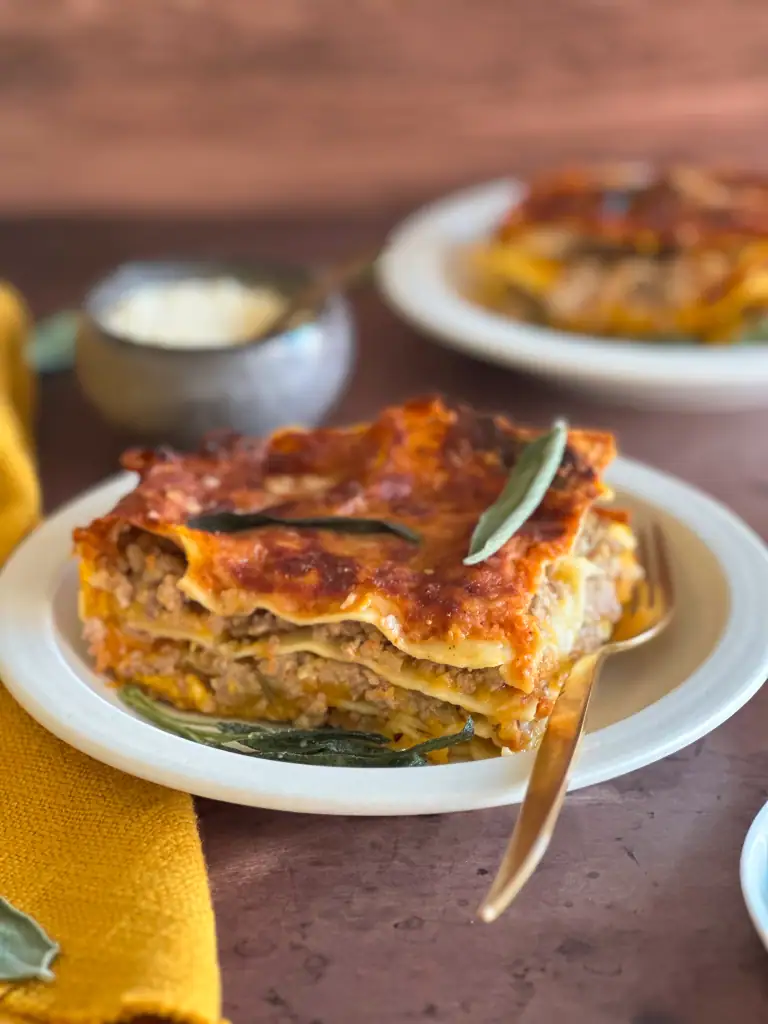
Pumpkin white ragu’ lasagna: A golden Italian lasagna featuring rich pork ragù bianco ( white Bolognese sauce) and sweet butternut squash béchamel: your ultimate fall comfort dish.

✨ This Rigatoni handmade pasta is a great pasta shape and you can easily learn how to make it from scratch! I would love to connect with you through my recipe and I will be very appreciative of your comments! If you make this recipe make sure to tag me on Instagram @Italian_kitchen_confessions. To get more ideas follow me on Pinterest.✨


