Originally published in August 2025. Updated in July 2026 with additional cooking tips, regional variations, and serving suggestions.
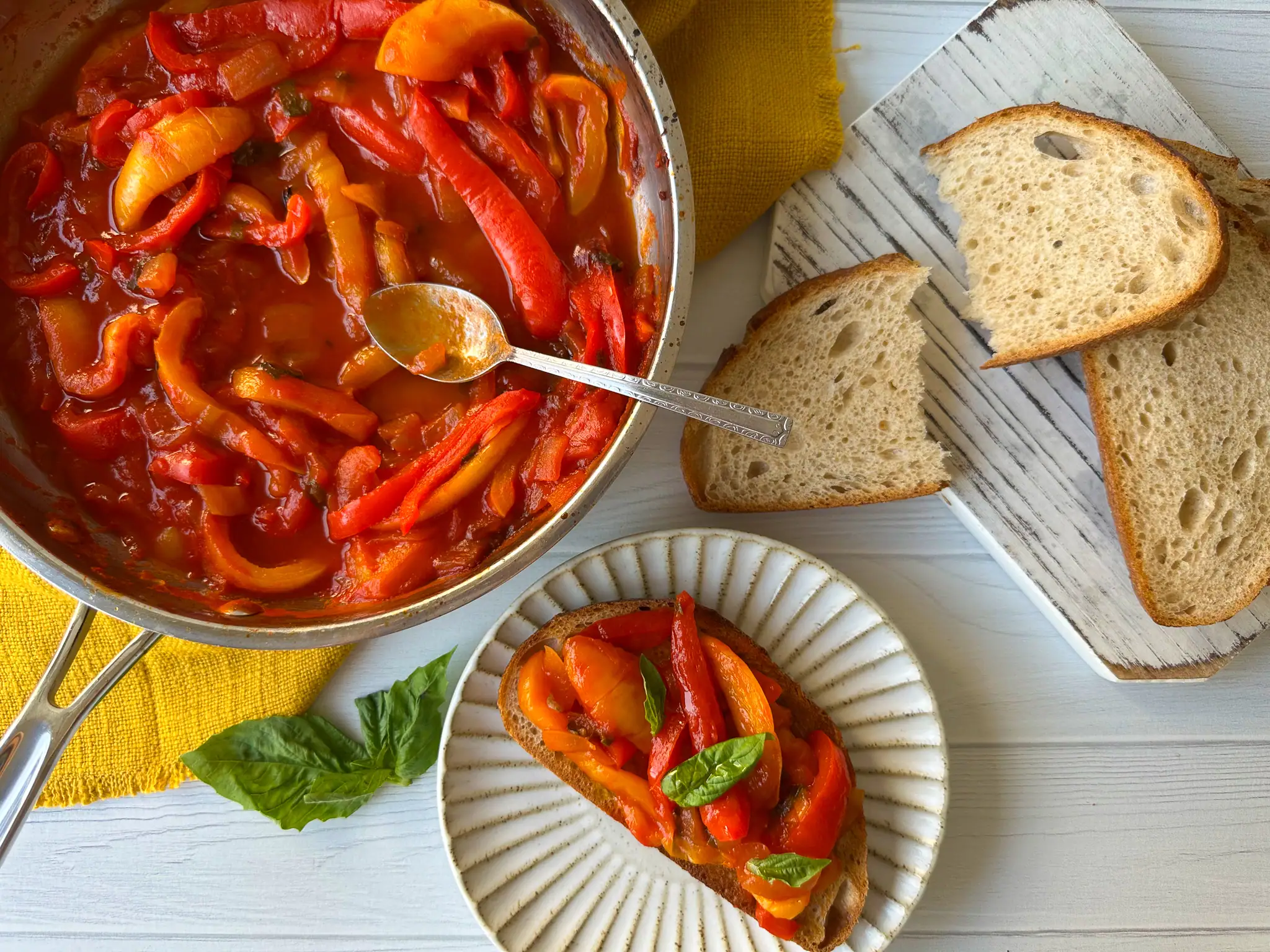
Peperonata is one of those recipes that perfectly captures the essencee of cucina povera – Italian home cooking made with just a handful of simple ingredients. Sweet bell peppers, onions, tomatoes, extra virgin olive oil, and a splash of vinegar prove that the most memorable dishes don’t need to be complicated.
Growing up in Veneto, bell peppers were one of the vegetables that truly marked the end of summer. My father would come home from the market carrying bags filled with bright red and yellow peppers, and peperonata was always one of the first dishes he’d make. While many people think of it as a simple side dish, in our family it rarely stayed that way. We spooned it over toasted bread for lunch, folded leftovers into pasta the next day, or served it alongside grilled meat during long summer dinners with family and friends.
Like so many traditional Italian recipes, peperonata only gets better with time. Leave it to rest overnight and the flavors become deeper, sweeter, and beautifully balanced.
Whether you’re looking for an authentic Italian side dish, an easy summer recipe, or a delicious way to use seasonal bell peppers, this traditional peperonata recipe is one you’ll come back to year after year.
WHY YOU’LL LOVE THIS RECIPE
There are countless recipes featuring bell peppers, but traditional Italian peperonata has remained a family favorite for generations because it’s simple, versatile, and incredibly flavorful.
- It’s an authentic Italian family recipe passed down through generations.
- Naturally vegan, gluten-free, and Mediterranean Diet friendly.
- Made with just a handful of fresh, seasonal ingredients.
- Even better the next day, making it perfect for meal prep and entertaining.
- Delicious served warm, cold, or at room temperature.
- Incredibly versatile—enjoy it as a side dish, appetizer, pasta sauce, or bruschetta topping.
WHAT IS PEPERONATA?
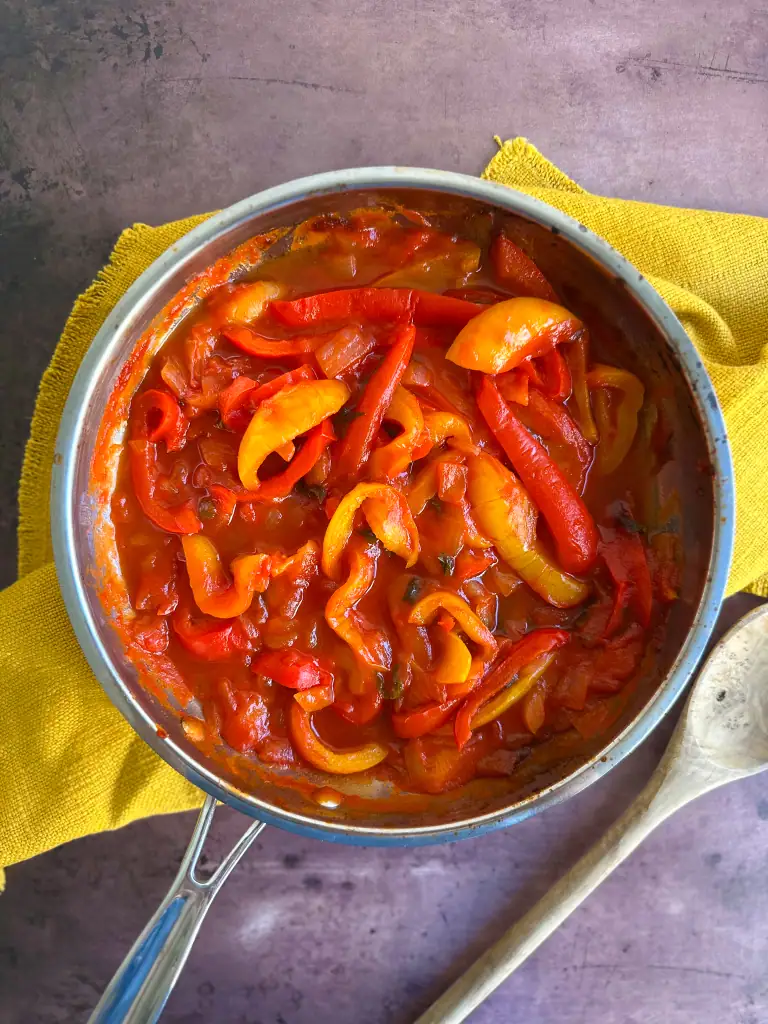
Peperonata (pronounced peh-peh-roh-NAH-tah) is a traditional Italian dish made by slowly stewing bell peppers with onions, tomatoes, olive oil, and a touch of vinegar until the vegetables become meltingly tender and naturally sweet.
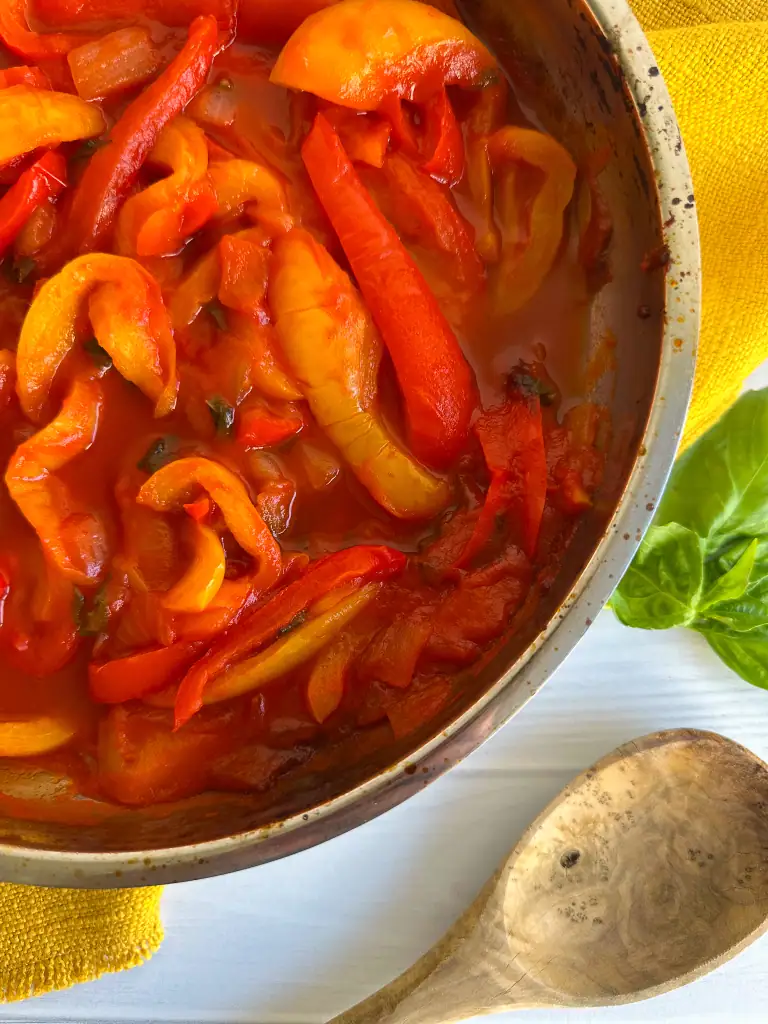
Although it’s often translated as Italian stewed peppers, peperonata is much more than that. Slow cooking allows the peppers to release their natural sweetness while the onions gently caramelize and the tomatoes create a silky sauce that brings everything together. The splash of vinegar added at the end balances the sweetness and gives peperonata its signature sweet-and-sour finish.
Its origins are generally associated with Southern Italy, particularly Sicily, Calabria, and Campania, where peppers thrive in the Mediterranean climate. Today, however, you’ll find peperonata throughout Italy, with every region—and often every family—preparing it a little differently.
The one thing all authentic recipes have in common is patience. Peperonata isn’t meant to be rushed. Slow cooking transforms a few humble vegetables into one of Italy’s most comforting summer dishes.
REGIONAL VARIATIONS
I have to confess that one of the things I love most about Italian cooking is that there is rarely one “official” recipe. In Sicily, peperonata is sometimes enriched with capers or olives for a briny contrast. In Calabria, you’ll often find a touch of peperoncino adding gentle heat. Growing up in Veneto, however, my father always prepared a simpler version with chunky peppers, just enough tomato to coat the vegetables, and fresh basil added at the very end. It allowed the sweetness of the peppers to remain the true star of the dish.
Whichever version you choose, peperonata is a wonderful reminder that the best Italian recipes celebrate seasonal vegetables with very little intervention.
PEPERONATA: NOTES ON INGREDIENTS
One of the reasons peperonata has remained a classic for generations is that it transforms a few everyday ingredients into something truly special. Because there are so few ingredients, choosing the best quality you can makes all the difference. Why these ingredients works? In peperonata, every ingredient has a purpose. The peppers provide sweetness, the onions add depth, the tomatoes create a silky sauce, the vinegar brings brightness, and the olive oil ties everything together into a dish that’s far greater than the sum of its parts.
The beauty of this recipe lies in letting each ingredient shine without competing for attention.
- Bell Peppers: Use a combination of red, yellow, and orange bell peppers for the best flavor and the most beautiful presentation. Red peppers bring sweetness, yellow peppers add freshness, while orange peppers offer a balance of both. I don’t recommend using green peppers. Since they’re harvested earlier, they’re naturally more bitter and don’t develop the same sweetness that makes traditional peperonata so irresistible.
- Onion: Yellow onions are ideal because they slowly soften and caramelize, adding natural sweetness without overpowering the peppers. Slice them thinly so they almost melt into the sauce.
- Tomato Passata: A small amount of tomato passata binds the vegetables together without masking the flavor of the peppers. During peak tomato season, you can also use ripe fresh tomatoes, but passata provides a smoother, more consistent result.
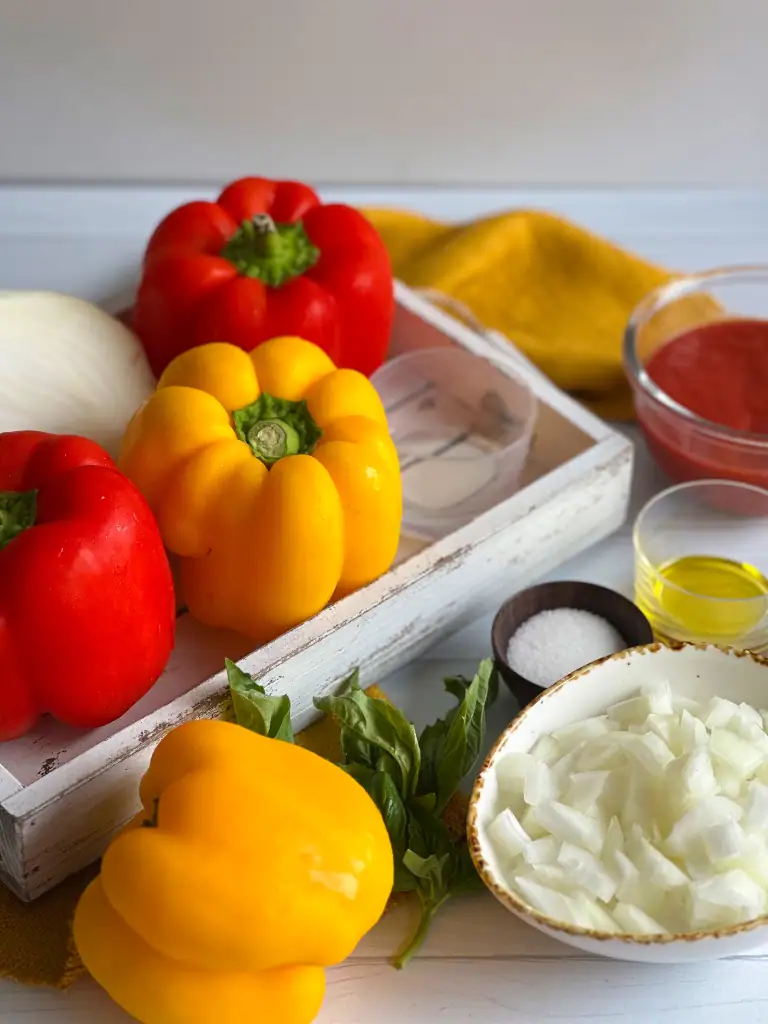
- Extra Virgin Olive Oil: With so few ingredients, good olive oil really matters. Choose a fruity Italian extra virgin olive oil that complements the sweetness of the peppers rather than overpowering them.
- White Wine Vinegar: Don’t skip it. Added at the end of cooking, the vinegar brightens the dish and perfectly balances the natural sweetness of the peppers. If you have an aged rosé vinegar, it works beautifully here as well.
- Sugar: Just a small amount enhances the peppers’ natural sweetness and softens the acidity of the tomatoes and vinegar. Traditional peperonata uses regular sugar—I don’t recommend replacing it with artificial sweeteners.
- Fresh Basil: Fresh basil is added at the very end to preserve its delicate aroma and give the dish a final burst of summer freshness.
HOW TO MAKE TRADITIONAL ITALIAN PEPERONATA
Making authentic Italian peperonata is wonderfully simple, but it does require one ingredient you can’t buy at the grocery store: patience. Unlike a quick sauté, peperonata develops its rich, sweet flavor through slow cooking. As the peppers soften, the onions gently caramelize, the tomatoes reduce into a silky sauce, and the flavors meld together beautifully. Resist the temptation to rush the process—the extra time is what transforms a handful of vegetables into something truly special.
STEP 1: PREPARE THE VEGETABLES
Wash the bell peppers, remove the stems, seeds, and white membranes, then slice them into strips about ½ inch (1 cm) wide. Try to keep the slices fairly even so they cook at the same rate. Thinly slice the onion. Fine slices soften more quickly and almost disappear into the sauce, creating the perfect base for the peppers. Tip: Don’t slice the peppers too thin or they’ll lose their texture during cooking.
STEP 2: COOK THE ONIONS
Heat the extra virgin olive oil in a large skillet or sauté pan over medium heat. Add the sliced onions with a small pinch of salt and cook gently for 5–7 minutes, stirring occasionally, until they become soft and translucent. Avoid browning them—you want the onions to become sweet and tender, not crispy.
STEP 3: ADD THE PEPPERS
Stir in the sliced peppers and toss them well to coat them in the olive oil. Cover the pan and cook over medium-low heat for about 10–12 minutes, stirring every few minutes. The peppers will slowly begin to soften and release their natural juices. At this stage, don’t worry if they still seem firm—they’ll continue cooking once the tomatoes are added.
STEP 4: SIMMER GENTLY
Pour in the tomato passata and stir until the peppers are evenly coated. Cover again and simmer gently for 15–20 minutes, stirring occasionally, until the peppers are completely tender and the sauce has thickened. The peppers should be soft but still hold their shape.
STEP 5: BALANCE THE FLAVORS
Stir in the white wine vinegar followed by the sugar. Cook uncovered for another 2–3 minutes, allowing the vinegar to mellow while preserving its brightness. Taste and adjust the seasoning with salt if needed.
STEP 6: FINISH WITH BASIL
Remove the pan from the heat and stir in the fresh basil. Although peperonata can be served immediately, I highly recommend letting it rest for at least 30 minutes before serving. If you can prepare it a day ahead, even better. Like many traditional Italian dishes, peperonata tastes even more flavorful after a night in the refrigerator
LAURA’S TIPS FOR THE BEST PEPERONATA
Peperonata is a simple recipe, but a few small details make all the difference. Here are the tips I’ve learned from making it over the years—and from watching my dad prepare it every summer.
- Use ripe, seasonal peppers. Red, yellow, and orange peppers are naturally sweeter and create the best flavor. I avoid green peppers because they’re more bitter and don’t soften as beautifully.
- Slice the vegetables evenly. Similar-sized strips cook at the same rate, giving the peperonata a consistent texture.
- Cook low and slow. Don’t rush the process. Gentle cooking allows the onions to caramelize and the peppers to become meltingly tender without losing their shape.
- Add the vinegar at the end. My father always waited until the last few minutes of cooking so the vinegar kept its brightness and balanced the sweetness of the peppers.
- Let it rest before serving. Peperonata is delicious freshly made, but the flavors become even richer after resting for at least 30 minutes—or, even better, overnight in the refrigerator.
- Make a double batch. Leftovers are fantastic served over toasted bread, tossed with pasta, or alongside grilled meats and fish the next day.

Ingredients
- 1½ tbsp olive oil extra virgin
- 1 cup yellow onion chopped
- ½ pound bell pepper red
- ½ pound bell pepper yellow
- 1 sprig basil fresh
- 1 cup tomato passata
- 1½ tbsp white wine vinegar
- 1 tbsp sugar
- 2 tsp salt
Instructions
- Prepare the vegetables:Wash and deseed the bell peppers. Cut them into strips about 1 cm wide. Thinly slice the onions.
- Cook the base:In a large skillet or sauté pan, heat the olive oil over medium heat. Add the onion and cook gently for 5–7 minutes, until soft and fragrant.
- Add the peppers:Stir in the sliced peppers. Season with a pinch of salt. Cover and let cook on medium-low heat for about 10–12 minutes, stirring occasionally.
- Add tomato, vinegar, and sugar:Add the tomato sauce, Stir well, cover again, and let it simmer for 15–20 minutes, until the peppers are tender and the sauce has thickened. At the end add vinegar, and sugar. Cook for 2-3 more minutes until the vinegar has evaporated. Adjust salt if needed.
- Finish and serve:Sprinkle with fresh basil or parsley, and serve warm, cold, or at room temperature.
Nutrition
FAQ
What is the difference between peperonata and ratatouille?
Although both are vegetable dishes, they’re quite different. Peperonata focuses on sweet bell peppers slowly cooked with onions and tomatoes. Ratatouille is a French dish that combines several vegetables, including zucchini and eggplant, with herbs. Peperonata is simpler and allows the peppers to remain the star of the dish.
Can I use fresh tomatoes instead of passata?
Absolutely. During peak summer, ripe fresh tomatoes are delicious in peperonata. For the rest of the year, passata provides a richer, more consistent result.
Can I use only red peppers?
Yes. Red peppers are the sweetest and make an excellent peperonata. I personally like combining different colors because they create a more beautiful dish and a slightly more complex flavor.
Can I make peperonata ahead of time?
I recommend it. The flavors continue to develop overnight, making it an ideal make-ahead recipe for entertaining or meal prep.
Can I freeze peperonata?
Yes. Allow it to cool completely before transferring it to freezer-safe containers. It will keep well for up to 3 months.
Can peperonata be served cold?
It’s delicious warm, at room temperature, or straight from the refrigerator, making it one of my favorite summer dishes.
Why is my peperonata watery?
Bell peppers naturally release a lot of moisture as they cook. If your peperonata seems too liquid, simply continue cooking it uncovered for a few more minutes until the sauce thickens naturally.

WHAT TO SERVE WITH PEPERONATA (ITALIAN STEWED PEPPERS)
One of the things I love most about peperonata is how incredibly versatile it is. In Italy, it’s rarely just a side dish. We enjoy it in so many different ways throughout the week, and leftovers almost never go to waste. Here are some of my favorite ways to serve it:
- As a side dish:
- with grilled chicken, steak, pork chops, or Italian sausages
- With grilled or baked fish, such as cod, salmon, or swordfish
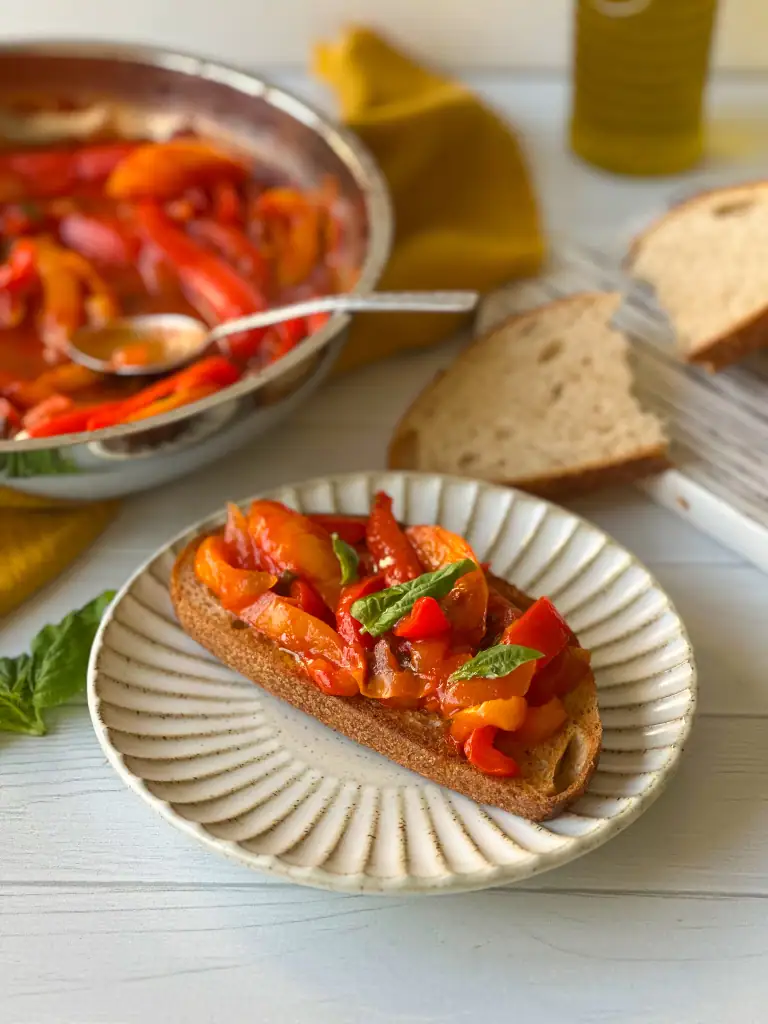
- On toasted bread or bruschetta with a drizzle of olive oil.
- With ricotta, mozzarella or burrata.
- Folded into pasta, always a hit!
- Served over creamy polenta for a comforting vegetarian meal
- Tucked into focaccia or ciabatta sandwiches
- Topped with a poached or fried egg for a quick and rustic lunch
- If you’re entertaining, peperonata is also a wonderful addition to an antipasto platter, served alongside cured meats, cheeses, olives, and marinated vegetables.
HOW TO STORE PEPERONATA
Peperonata stores beautifully:
- Refrigerator: Allow the peperonata to cool completely before transferring it to an airtight container. It will keep well in the refrigerator for up to 5 days.
- Freezer: Store it in freezer-safe containers for up to 3 months. Thaw overnight in the refrigerator before gently reheating.
- To reheat: Warm it slowly in a skillet over low heat, adding a splash of water if needed. It can also be enjoyed cold or at room temperature, especially during the summer months.
WHICH WINE PAIRS BEST WITH PEPERONATA?
Peperonata’s sweet peppers and delicate acidity pair beautifully with fresh, fruit-forward Italian wines. Peperonata pairs beautifully with fresh Italian wines that complement the sweetness of the peppers and the dish’s delicate sweet-and-sour balance.
- Vermentino di Sardegna DOC (Sardinia) – Crisp and mineral with notes of citrus and Mediterranean herbs, Vermentino’s lively acidity refreshes the palate and beautifully balances the sweetness of the peppers.
- Falanghina del Sannio DOC (Campania) – Floral and elegant with ripe orchard fruit and bright acidity, Falanghina enhances the freshness of the tomatoes and olive oil without overpowering the vegetables.
- Cerasuolo d’Abruzzo DOC (Abruzzo) – This dry rosé offers vibrant cherry and red berry notes with refreshing acidity, making it a perfect match for peperonata served at room temperature on a warm summer day.
- Chianti Classico DOCG (Tuscany) – If you’re serving peperonata alongside grilled steak, sausages, or roast chicken, a medium-bodied Chianti Classico is an excellent choice. Its bright acidity, sour cherry flavors, and savory herbal notes complement the caramelized peppers while standing up to heartier dishes.
Avoid heavily oaked or very tannic wines, which can overpower the sweetness of the peppers.
MORE ITALIAN BELL PEPPER RECIPES YOU WILL LOVE
Looking for more tasty bell pepper recipes ? On my blog you can find different ways to use these summer vegetables, rich in vitamin c!
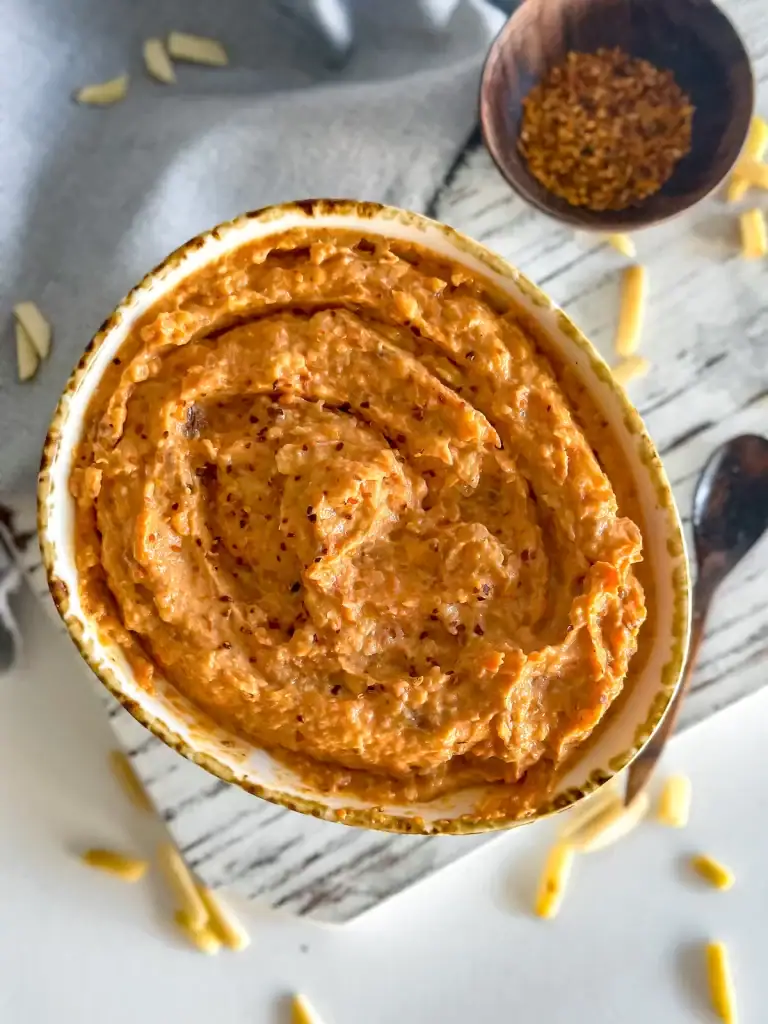
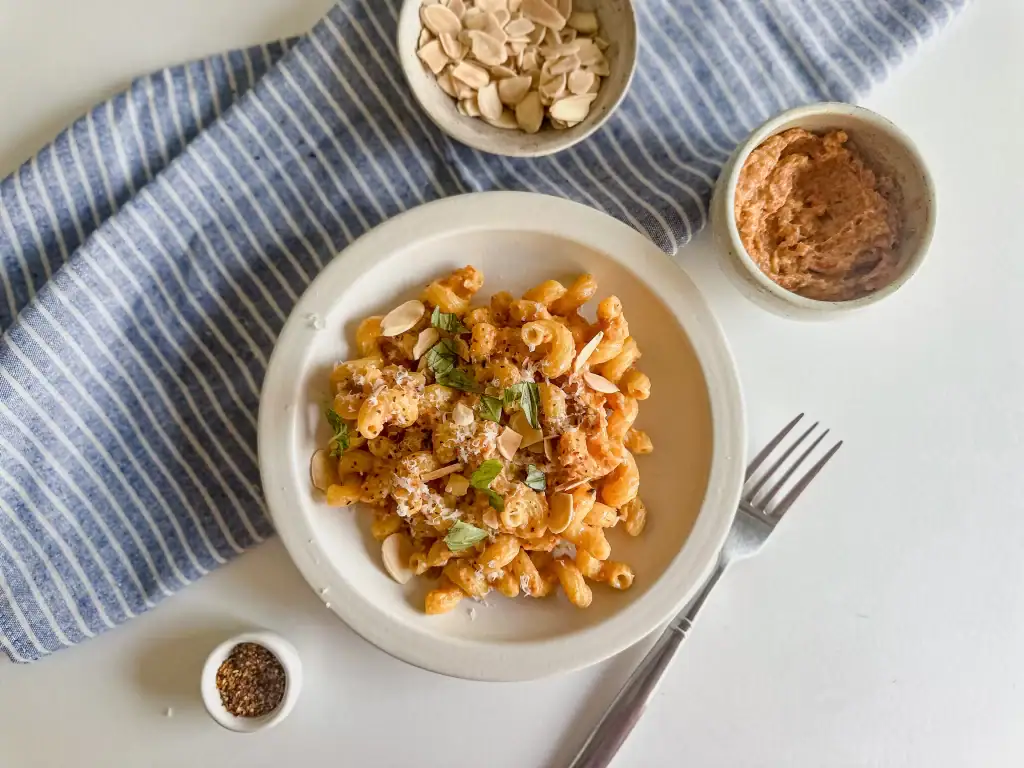
Red pepper Pesto (Calabrian Pesto): Creamy, smoky, and slightly spicy, delicious with pasta or spread on crostini.
Simply Roasted Peppers: A simple Italian staple that’s perfect for antipasti, salads, and sandwiches.
Roasted Red Pepper Bruschetta with anchovies and mozzarella: Roasted Peppers, Mozzarella and Anchovies Bruschetta: a flavor combination that seems odd to many but that will surprise by how extraordinary it is. The saltiness of the anchovies contrasts the buttery mozzarella and the smoky taste of roasted peppers. If you are looking for a recipe to entertain your friends and family this summer, make this one!


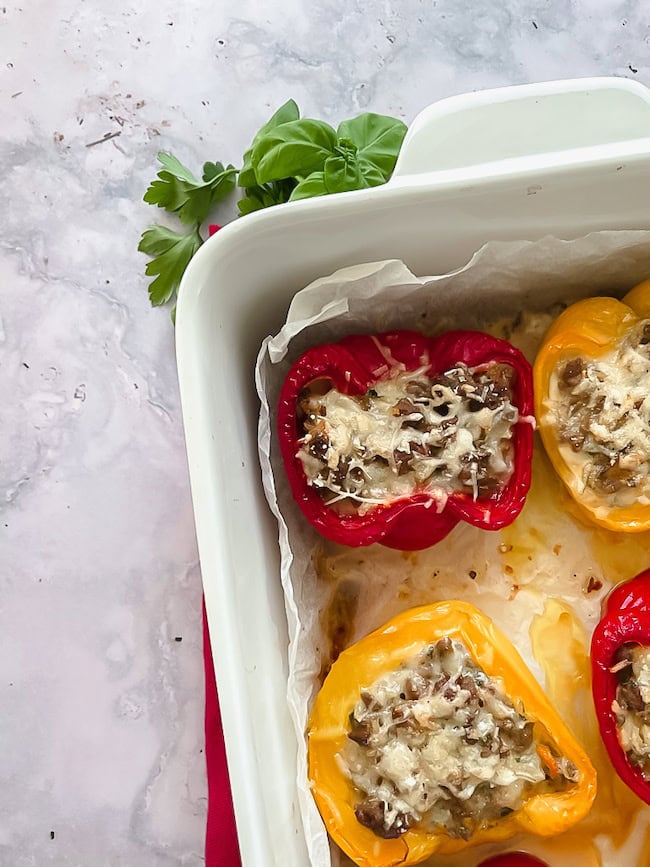
Italian Stuffed Peppers: a classic rustic dish, made with lean beef, brown rice, and bursting with classic Italian flavors such as fresh herbs, gooey mozzarella and nutty parmesan. A symphony of flavor perfect for a comforting family meal.
Spicy pasta with roasted bell peppers and bacon: A simple pasta recipe, easy to make and with a kick at evert bite. Few simple and fresh ingredients that comes together quickly for those lazy summer nights when you want something tasty but quick to make.
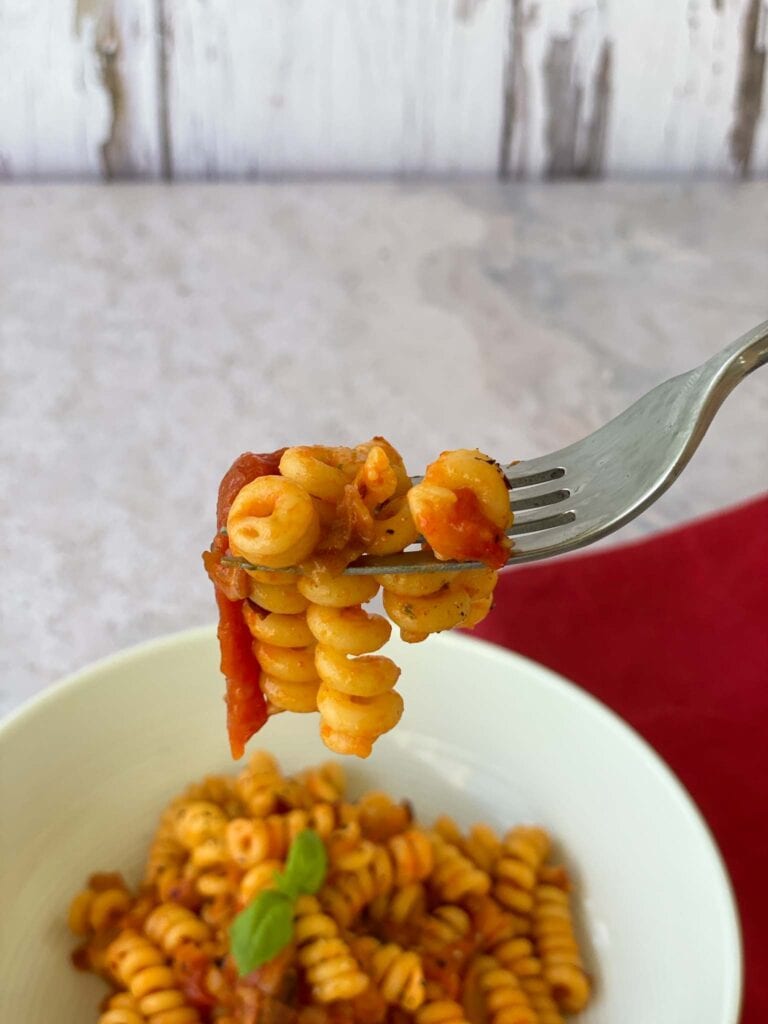
Whether you serve it as a side dish at your next barbecue, spoon it over toasted bread for lunch, or toss leftovers with pasta the following day, peperonata is one of those recipes that you’ll find yourself making again and again throughout the summer.
If you make this recipe, I’d love to hear how you served it! Leave a comment and a star rating below, and don’t forget to tag @Italian_Kitchen_Confessions on Instagram so I can see your delicious creations.
Buon appetito!
This Peperonata post contains affiliate links for products we love. Italian Kitchen Confessions earns a small commission on these links at no cost to you.


