
In Italy, Epiphany — celebrated on January 6th — marks the official end of the Christmas season. We say “L’Epifania tutte le feste porta via”: Epiphany takes all the holidays away. Decorations come down, routines resume, and winter settles in for real.
But before the festivities disappear completely, Epiphany leaves us with something deeply symbolic: tradition-driven food, humble desserts, and rituals that belong more to memory than spectacle.
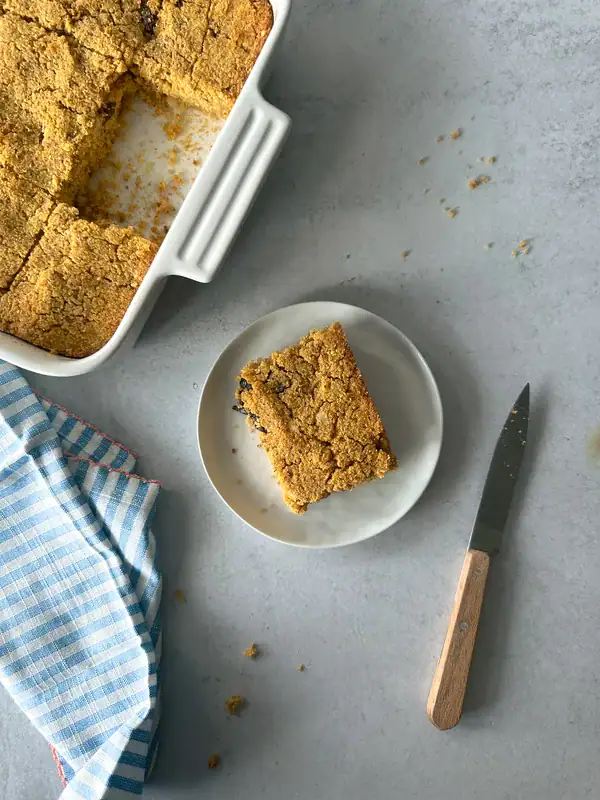
For me, Epiphany has always tasted like Pinza Veneta — a dense, rustic cake from Veneto, made with cornmeal, stale bread, dried fruit, and whatever the pantry could offer. It’s the cake of my childhood, and this year I’m making it again with my mom, just like we did when I was little.
WHAT IS EPIPHANY IN ITALY? TRADITIONS.
Epiphany in Italy blends Christian tradition with folklore. Religiously, it commemorates the arrival of the Three Wise Men to baby Jesus. Culturally, it revolves around La Befana, the broom-riding old woman who brings sweets to children — or coal if they weren’t well behaved.
Unlike Christmas, Epiphany is quieter, less commercial, deeply regional. And food plays a central role, especially rustic winter desserts rooted in agricultural life and cucina povera.

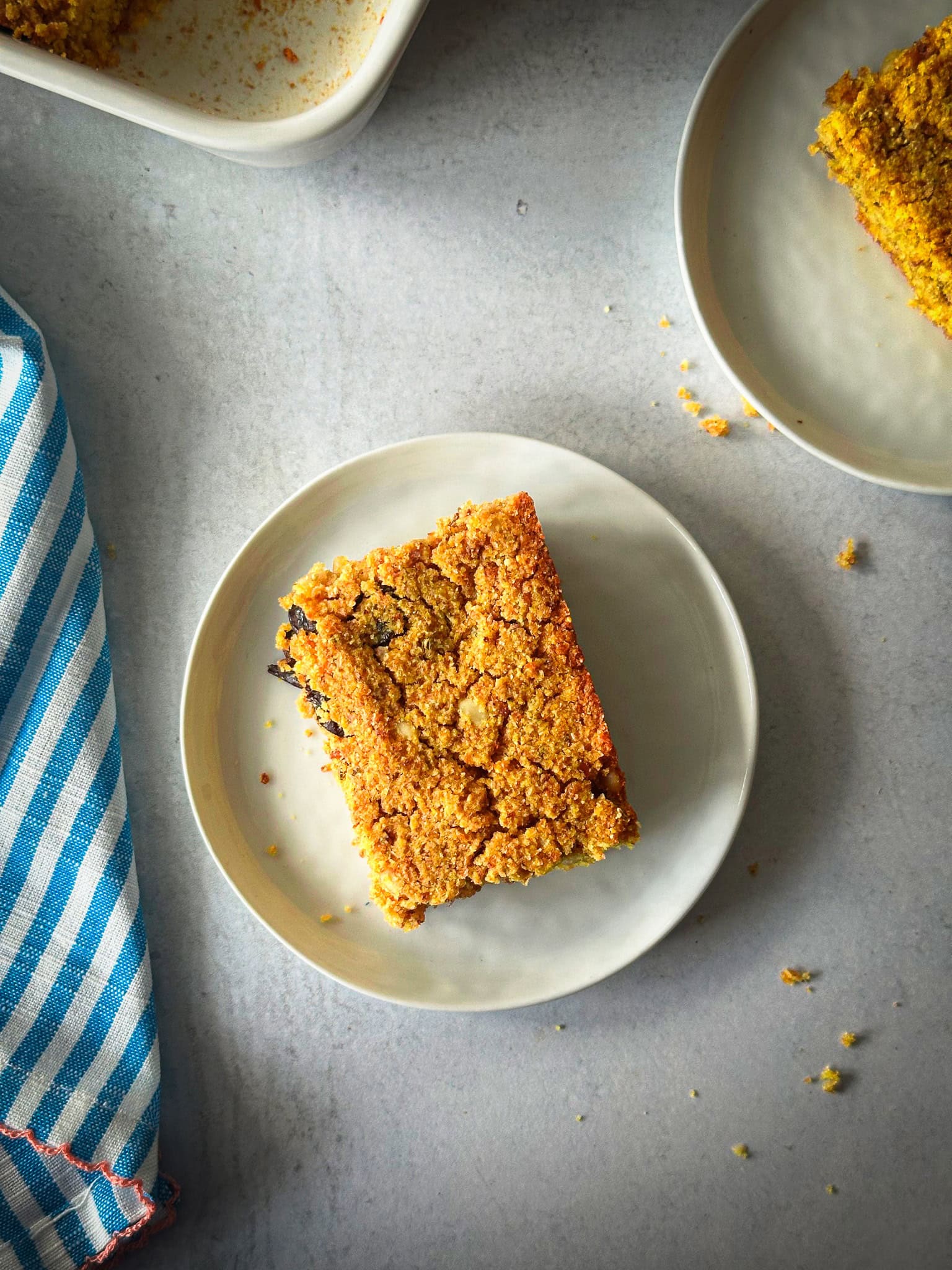
PINZA VENETA: THE EPIPHANY CAKE OF VENETO
Pinza Veneta is not elegant. It’s not fluffy. It’s not designed to impress. It is a cake born from necessity, not indulgence.
It was traditionally prepared around Epiphany in rural Veneto households using:
- cornmeal (polenta flour)
- stale bread
- dried figs and raisins
- nuts and seeds
- milk or water
- grappa
Every family had its own version. No two Pinze were identical — because this cake was born from what was available, especially in winter.
This is cucina povera at its most honest: nothing wasted, everything transformed.
WHY PINZA VENETA BELONGS TO EPIPHANY
Pinza is traditionally eaten on Epiphany Day and in the days that follows. Often is sliced and toasted. It’s not overly sweet and meant to sustain, not indulge. Its dense texture and mild sweetness make it perfect for cold January mornings, paired with coffee, milk, or a glass of sweet wine.
Pinza isn’t a celebration cake. It’s a closing-the-season cake.
MAKING PINZA VENETA WITH MY MOM
Making Pinza this year feels especially meaningful. The gestures are the same — soaking bread, chopping dried fruit, stirring slowly — but the awareness is different.
Pinza isn’t written in grams. It’s measured by memory.
Watching my mom bake reminds me that:
- recipes live in hands before they live on paper
- tradition is repetition
- food is how we remember who we are
NOTE ON INGREDIENTS: BETWEEN TRADITIONS AND MODERN FLEXIBILITY
Dry & base
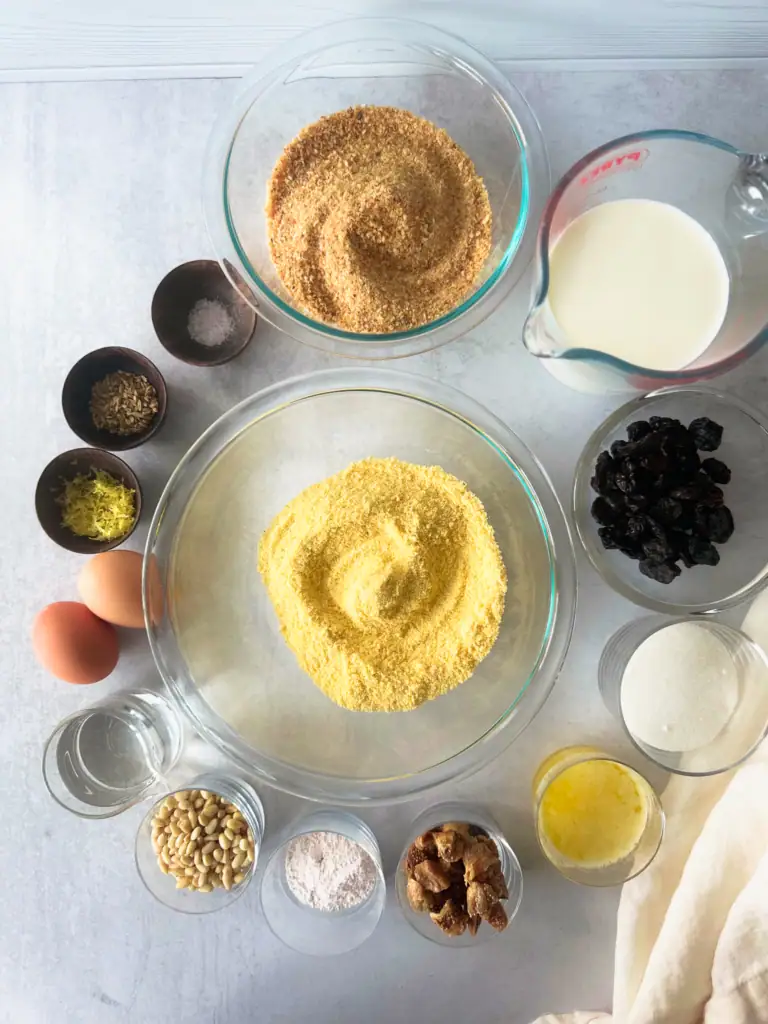
- 1 cup coarse cornmeal (polenta flour)
- 1½ cups stale bread, crusts removed and crumbled
- ½ cup sugar (or less, to taste)
- Zest of 1 lemon
- Pinch of salt
Flavorings (optional but traditional)
- 1 tsp fennel seeds (traditional)
- 1 tsp anise seeds or ground anise (optional)
Fruit & texture
- ¾ cup raisins, soaked in grappa
- ½ cup dried figs, chopped
- ¼ cup pine nuts or walnuts
Liquids & binding
- 1½–2 cups milk (or water)
- 2 eggs
- ¼ cup olive oil or melted butter
Leavening (optional)
- 1 tsp baking powder ( I added it, even if many traditional versions omit it for a denser texture.)
BREAD SUBSTITUTES FOR PINZA VENETA (TRADITIONAL & TESTED)
Traditionally, Pinza Veneta uses stale bread, a reflection of everyday cooking in Veneto, where nothing was wasted. Bread’s role is structural: it absorbs liquid, adds body, and keeps the cake dense and moist.
If bread isn’t available, these substitutes preserve the spirit and texture of the original.
1. Cooked Polenta (Best & Most Traditional Substitute)
How to use
- Use firm, fully cooled polenta
- Crumble it with your hands before adding
Why it works
Polenta performs the same function as bread: it binds, absorbs moisture, and reinforces the rustic texture. In many Veneto households, polenta was actually more common than bread, making this substitution fully authentic.
Quantity
Replace RATIO IS 1:1. 1½ cups soaked bread with 1–1¼ cups crumbled cooked polenta
2. Coarse Breadcrumbs (Acceptable Pantry Option)
How to use
- Use coarse, rustic breadcrumbs
- Avoid fine or commercial breadcrumbs
Why it works
Breadcrumbs maintain the zero-waste logic of the recipe, but they absorb liquid faster. This is what I used in this recipe.
Adjustment
- Reduce liquid slightly
- Let batter rest at least 30 minutes
3. Unsweetened Cornbread (Modern but Compatible)
How to use
- Must be low-sugar or savory
- Crumble and lightly soak
Why it works
Cornbread aligns with the cornmeal base and maintains density, but sweetness must stay controlled to avoid turning Pinza into dessert cake.
4. Oats (Last-Resort Substitute)
How to use
- Rolled or steel-cut oats
- Soak in warm milk, then drain
Why it works
Oats mimic bread’s moisture-holding ability but soften the texture slightly. Use only if other options aren’t available.
Pinza Veneta is not about rigid formulas. It was shaped by availability, season, and memory, not precision. Substituting bread isn’t a compromise — it’s in the spirit of the recipe itself.
❌ What Not to Use
- Brioche or sweet breads
- Sponge cake
- Crackers or biscuits
- Flour alone
These change the structure and sweetness completely.
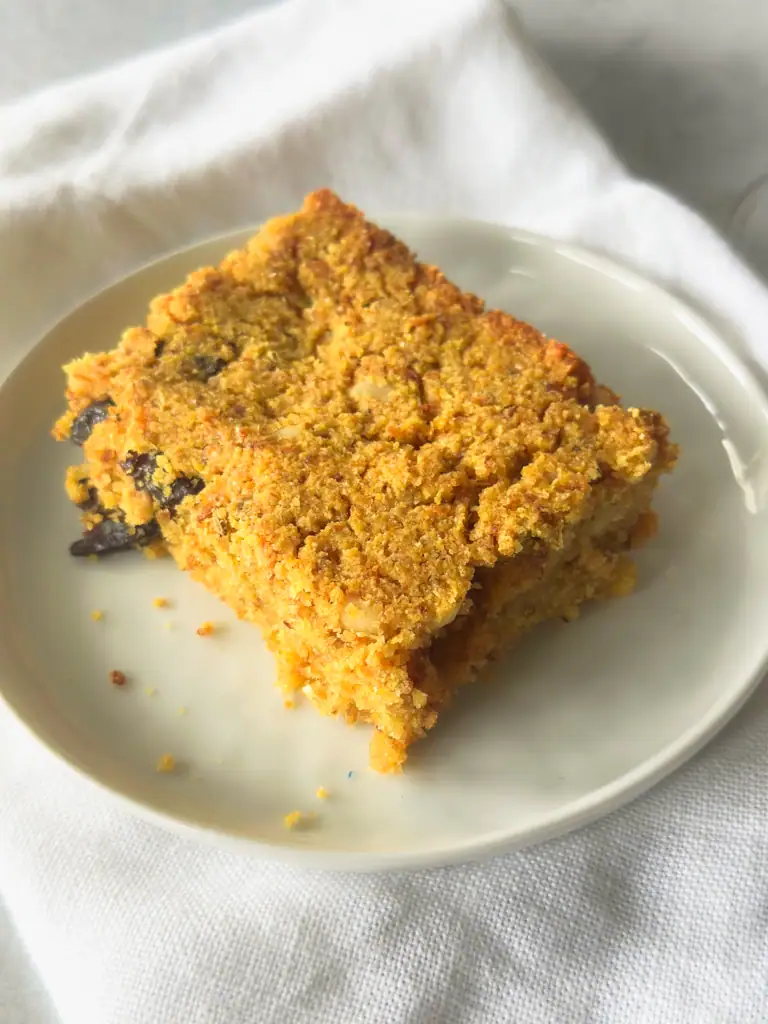
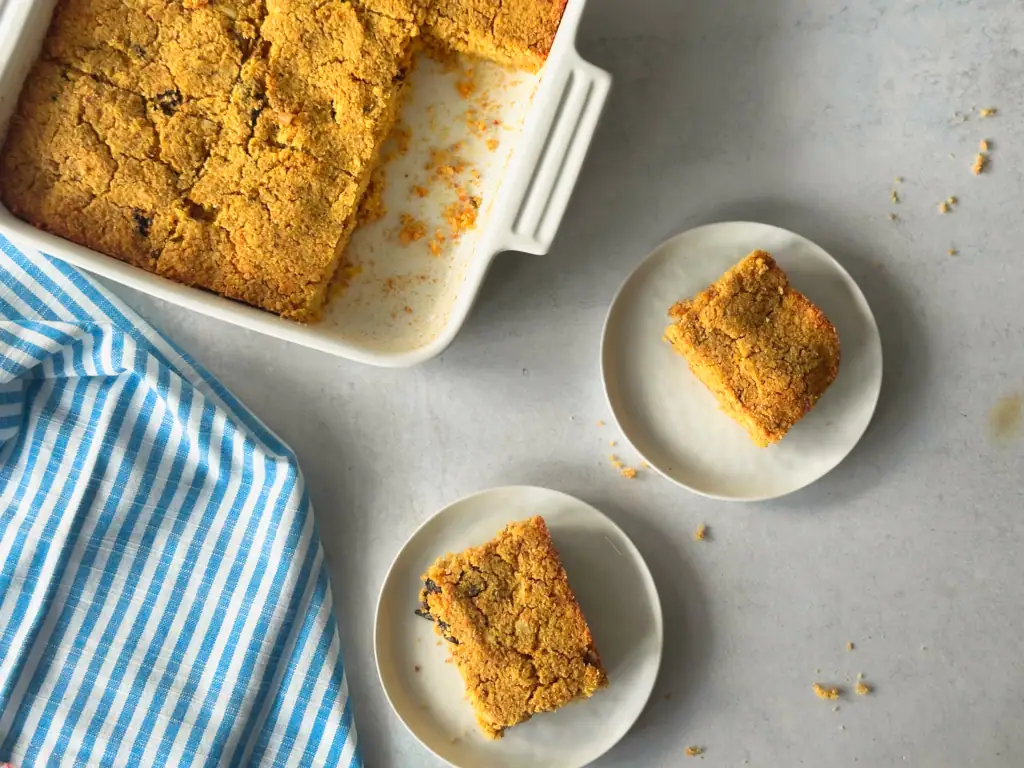
In any case the batter should result dense, not smooth. Place it in a pan and with the back a spoon level it evenly. It is a rustic, simple cake.


GLUTEN-FREE PINZA VENETA (RESPECTFUL ADAPTATION)
This version keeps the texture, density, and restraint of traditional Pinza — without trying to modernize it.
Gluten-Free Base
- 1 cup coarse cornmeal (polenta flour)
- 1–1¼ cups cooked polenta or gluten-free coarse breadcrumbs
- Naturally gluten-free dried fruit & nuts
Key Tips
- Skip fine gluten-free flours
- Rest the batter longer (30–40 minutes)
- Expect a slightly softer crumb — still rustic.
Ingredients
- 1 cup cornmeal coarse
- 1 ½ cup bread crumbs
- ½ cup sugar
- 1 unit lemon zest
- 1 tsp salt
- 1 tsp fennel seeds
- ¾ cup raisins
- 6 oz grappa
- ½ cup dried fig
- ¼ cup pine nuts
- 1 ½ cup milk whole
- 2 unit eggs
- ⅓ cup butter melted
- 1 tsp baking powder
Instructions
- Soak the bread: Place the stale bread in a bowl and cover with warm milk or water. Let soften completely, then gently squeeze out excess liquid.
- Mix the base: In a large bowl, combine cornmeal, soaked bread, sugar, salt, lemon zest, and spices. Mix well.
- Add eggs and fat: Stir in eggs and olive oil (or butter) until combined.
- Fold in fruit and nuts: Add raisins, previously softened in grappa, dried figs, and nuts. If using baking powder, add it now. The batter should be thick and rustic — not smooth.
- Rest the batter: Let rest for 20–30 minutes to allow the cornmeal to hydrate.
- Bake: Preheat oven to350°F / 175°C. Grease a loaf or round cake pan and pour in the batter. Bake for 60–75 minutes, until firm and deeply golden. If browning too quickly, loosely cover with foil.
- Cool completely: Let cool fully before slicing. Traditionally, Pinza is better the next day.
Nutrition
FAQ – PINZA VENETA
Can I make Pinza Veneta without bread?
Yes. Traditional substitutes include cooked polenta or coarse breadcrumbs. These replicate bread’s role as a moisture absorber and structural element.
Is Pinza Veneta gluten-free?
Traditionally no, but it can be adapted using polenta or gluten-free breadcrumbs while maintaining authenticity.
Does Pinza need to be sweet?
No. Pinza is only lightly sweet; most flavor comes from dried fruit.
Why is my Pinza too dry?
The bread or substitute may not have absorbed enough liquid. Pinza batter should be thick but moist.
HOW TO SERVE PINZA VENETA
- Plain or lightly toasted
- With coffee or milk
- With vin brulé or sweet wine (Vin Santo)
- Never frosted or glazed
This is a cake meant to stay simple.

STORAGE TIPS
- Wrap and store at room temperature for 3–4 days
- Refrigerate up to 1 week
- Toast slices to revive texture
- Freezes well, sliced
MORE “CUCINA POVERA” RECIPES
Traditional Italian Pasta & Ceci: a one-pot dish of pasta and chickpeas simmered with rosemary, garlic, and tomato paste — creamy, wholesome, and deeply comforting.
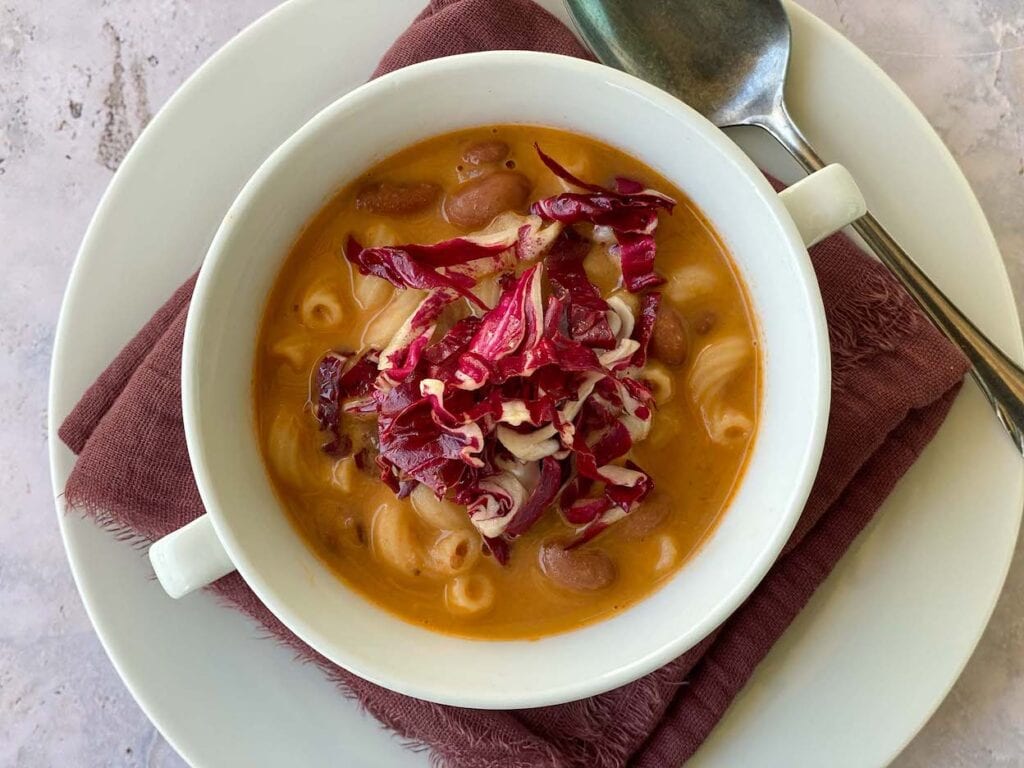
Pasta & Fagioli This pasta fagioli recipe is the epitome of “cucina povera” – meaning “simple cuisine” and indeed its origins lie with peasants who cooked with a few simple ingredients. Warming and hearty, hails straight from the Veneto region, but every region has its variety.

Authentic Homemade Tomato Sauce: Homemade tomato Sauce is one of the main staples in Italian culture and cuisine. There are many ways to make Italian tomatoes sauce and in Italy every family as its own recipe. This is great with fresh pasta, dry pasta or to use to make stews.
Spaghetti Aglio Olio e Peperoncino: Spaghetti with Garlic, Olive oil and Chili Spaghetti is a bold and flavorsome traditional Italian dish. Originating in Campania, this iconic pasta makes the most of simple ingredients.
Cauliflower Anchovies Pasta: A delicious Sicilian inspired recipe, with a savory taste given by the anchovies. This simple recipe hits the spot not only for its delicious flavor and interesting texture, but also because it is an easy pantry staple dish ready in 30 minutes!


✨ I hope you loved this Pinza Veneta recipe! I would love to connect with you through my recipe and I will be very appreciative of your comments! If you make this recipe make sure to tag me on Instagram @Italian_kitchen_confessions. To get more ideas follow me on Pinterest.✨


