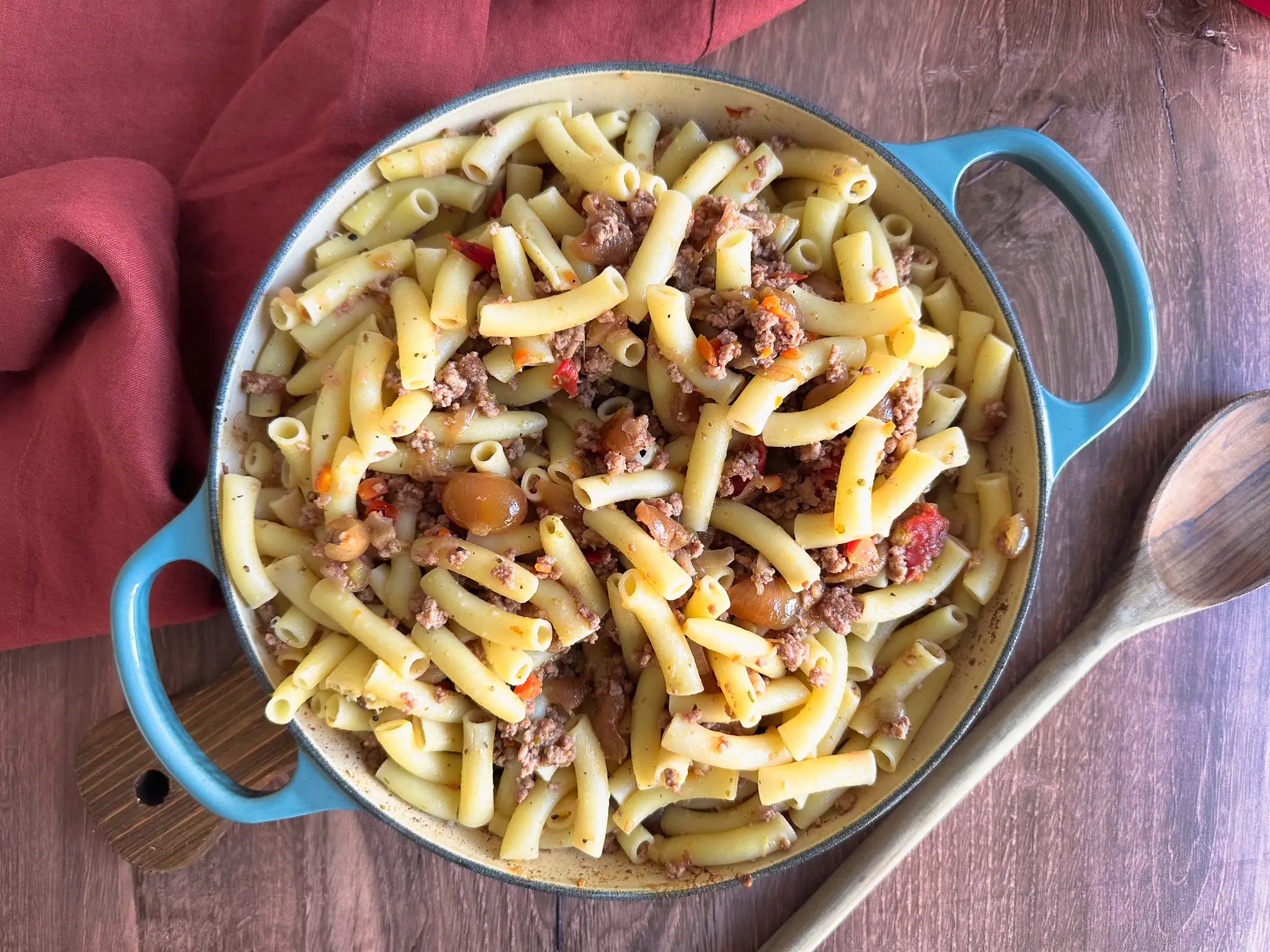
Italian Pasta sauces change with the seasons just as much as produce does. When winter arrives, sauces don’t get lighter — they get slower.
Winter pasta sauces are richer, more comforting, and built to warm both body and table. They simmer longer, rely on preserved or pantry ingredients, and are designed to cling to sturdy pasta shapes. This is not trend-driven cooking. It’s instinctive, seasonal, and deeply Italian.
WHAT MAKES A PASTA SAUCE “WINTER-STYLE” IN ITALY?
Italian winter sauces tend to share several characteristics:
- Longer cooking times that build depth and warmth
- A higher fat component (olive oil, butter, cheese, or meat)
- Thicker textures that coat pasta instead of sliding off
- Foundations built on soffritto, broth, or slow reduction
- Pairing with pasta shapes that can carry weight
In general: winter sauces are meant to feel grounding — not delicate.
RAGÙ-BASED SAUCES: THE BACKBONE OF WINTER PASTA
Ragù is at the heart of Italian winter cooking. Unlike quick tomato sauces, ragù is about patience, restraint, and balance.
It simmers gently so flavors can meld: meat, vegetables, wine, fat, and sometimes broth. The result is a sauce that feels integrated rather than layered.
Common Winter Ragù Styles
- Beef or mixed-meat ragù: you can opt for a traditional family style recipe of beef ragu’ or the Authentic Bolognese Sauce (ragu’ alla bolognese)
- White ragù made without tomato: Butternut squash lasagna with ragu’bianco (White bolognese sauce).
- Sausage-based ragù: spicy Italian sausage
- Ragù enriched with homemade broth
Best Pasta Pairings
- Short pasta such as cavatelli
- Pappardelle
- Rigatoni
- Paccheri
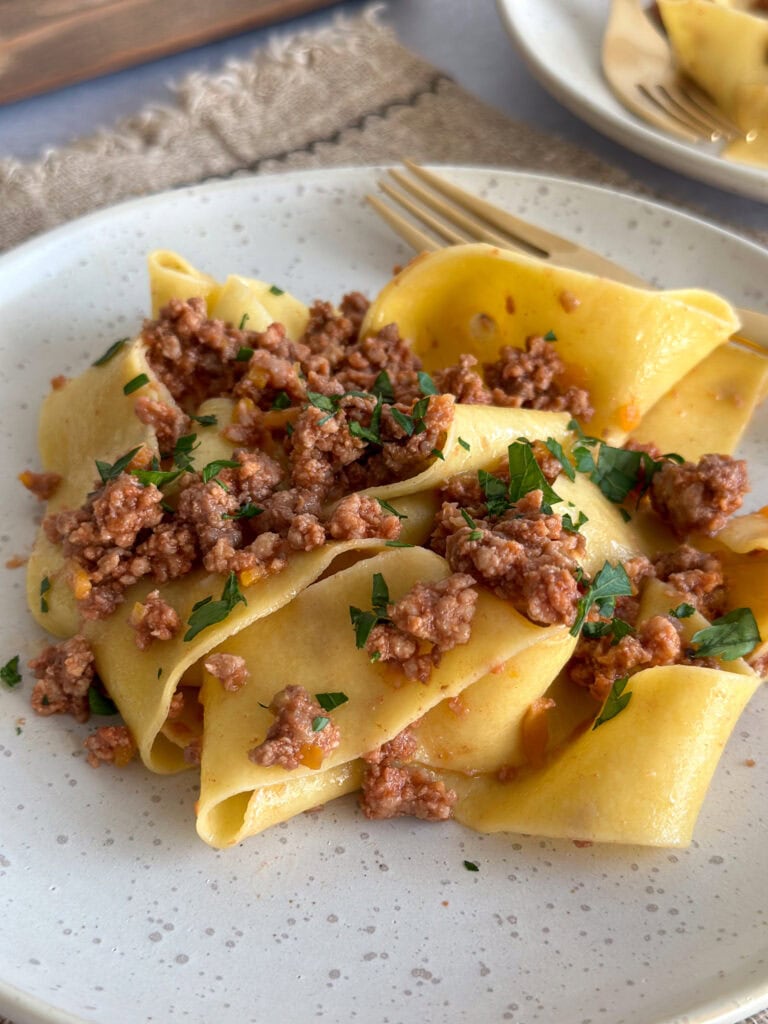
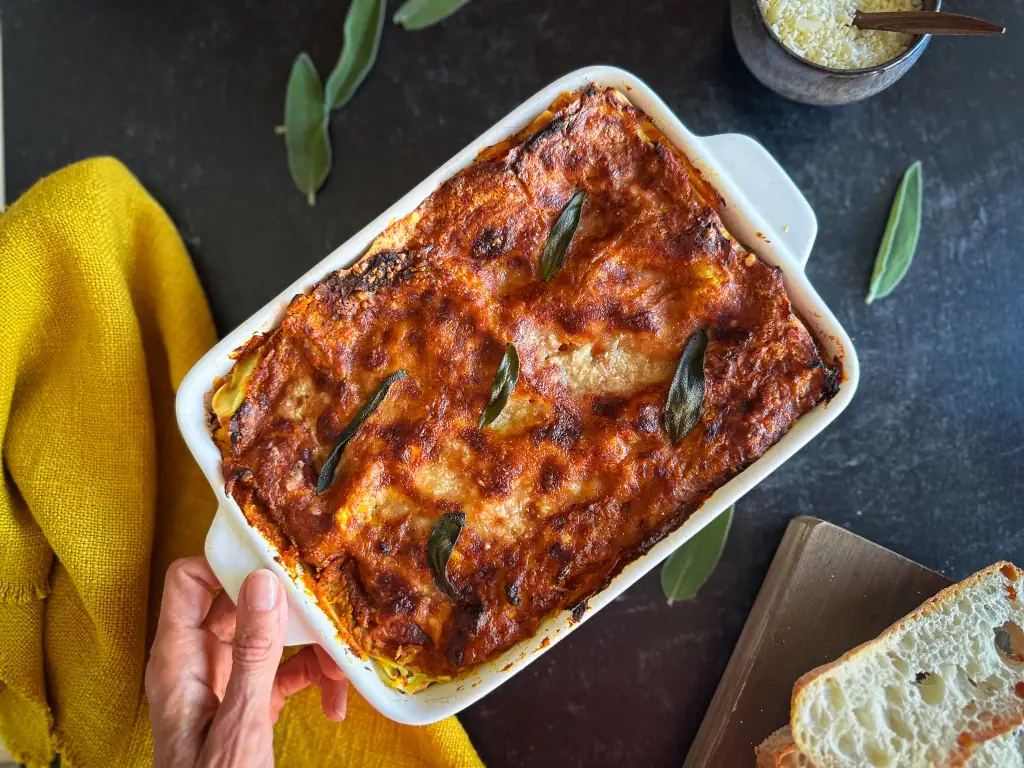

MY TIP: In winter, and as a general rule, ragù should almost melt into the pasta — never sit on top of it.
BUTTER AND CHEESE SAUCES: NORTHERN ITALIAN WINTER COMFORT
In Northern Italy, many winter pasta sauces skip tomato altogether.
Instead, they rely on butter, cheese, and pasta water to create richness without heaviness.
These sauces are deceptively simple and deeply comforting, especially when paired with egg pasta.
Classic Winter Combinations
- Butter and Parmigiano Reggiano
- Butter and sage: a classic sauce, easy to make that pair well with gnocchi or any filled pasta (pumpkin ravioli, agnolotti del plin)
- Gorgonzola or taleggio-based sauces: try this Spaghetti with Pear, Gorgonzola and Walnut sauce.
- Cheese-enriched cheese sauces such as a classic Cacio Pepe Sauce.
Best Pasta Pairings
- Fresh egg pasta: check my 101 guide on how to make homemade pasta dough by scratch.
- Gnocchi
- Short ridged pasta shapes: think about penne, rigatoni, radiatori, cavatappi.or mezzi rigatoni.


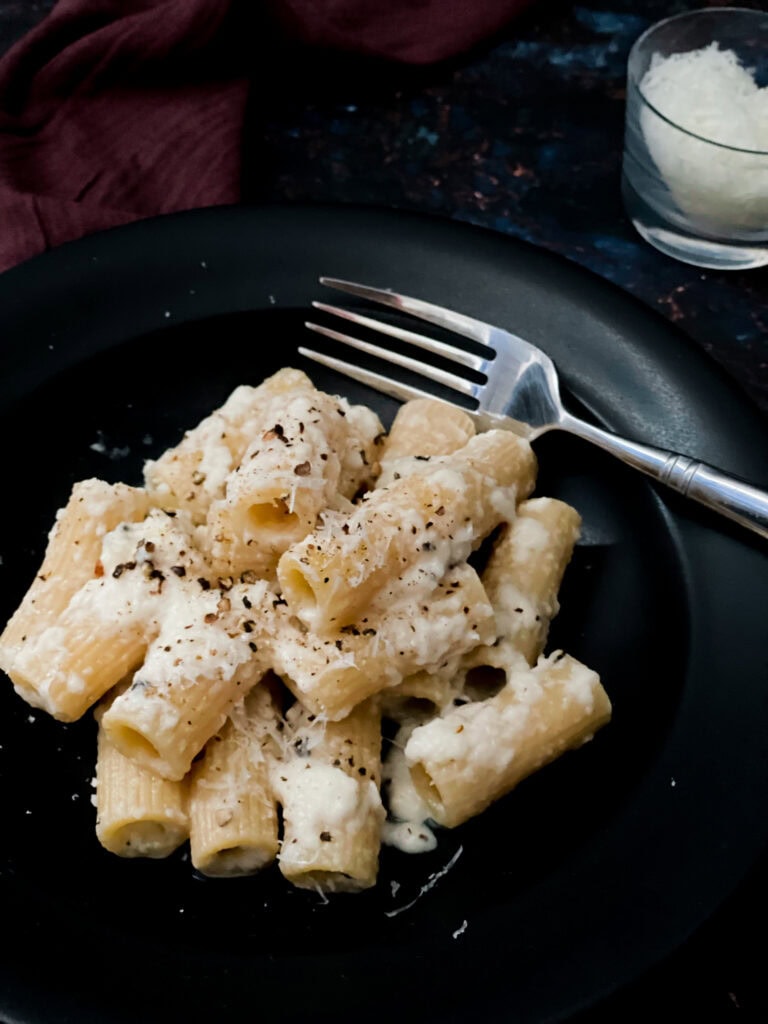
These dishes feel luxurious while remaining rooted in everyday home cooking.
TOMATO SAUCES THAT BELONG TO WINTER
Tomato sauces do not disappear in winter — they simply slow down. Winter tomato sauces are darker, thicker, and less acidic. They often begin with a proper soffritto and cook long enough to soften the tomatoes and deepen their flavor.
Characteristics of Winter Tomato Sauces
- Longer simmering times
- Softer acidity
- Thicker, more cohesive texture
- Added depth from wine, anchovies, or herbs
Best Pasta Pairings


MY NOTE: These sauces are warming and steady, not bright and sharp.
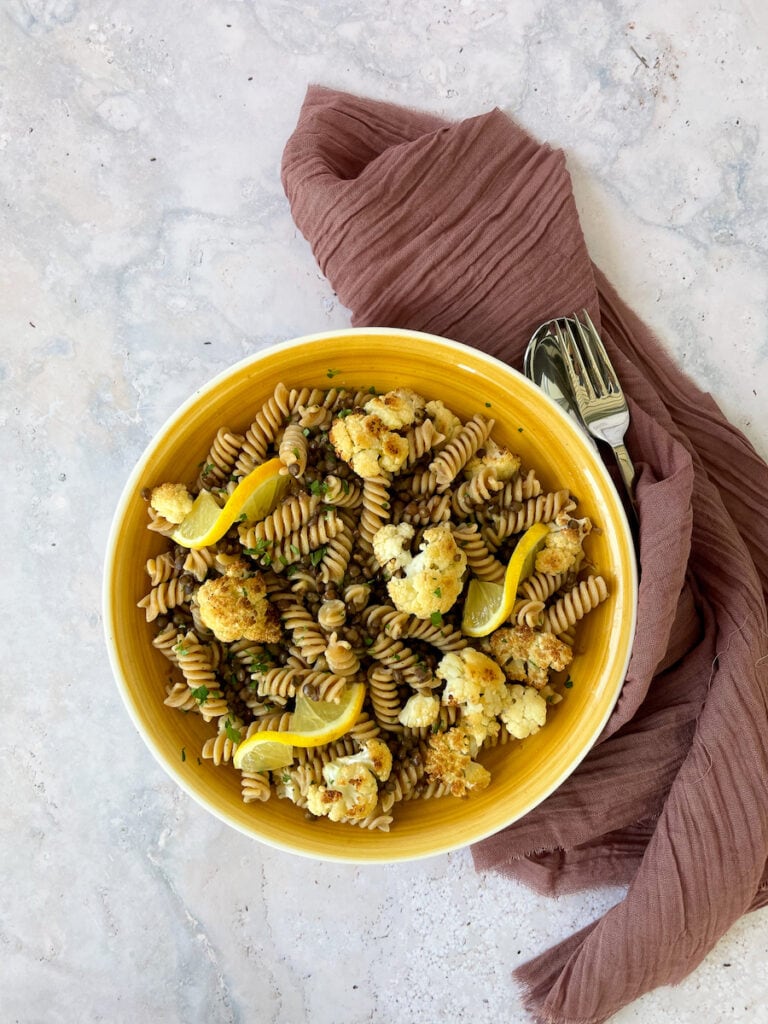
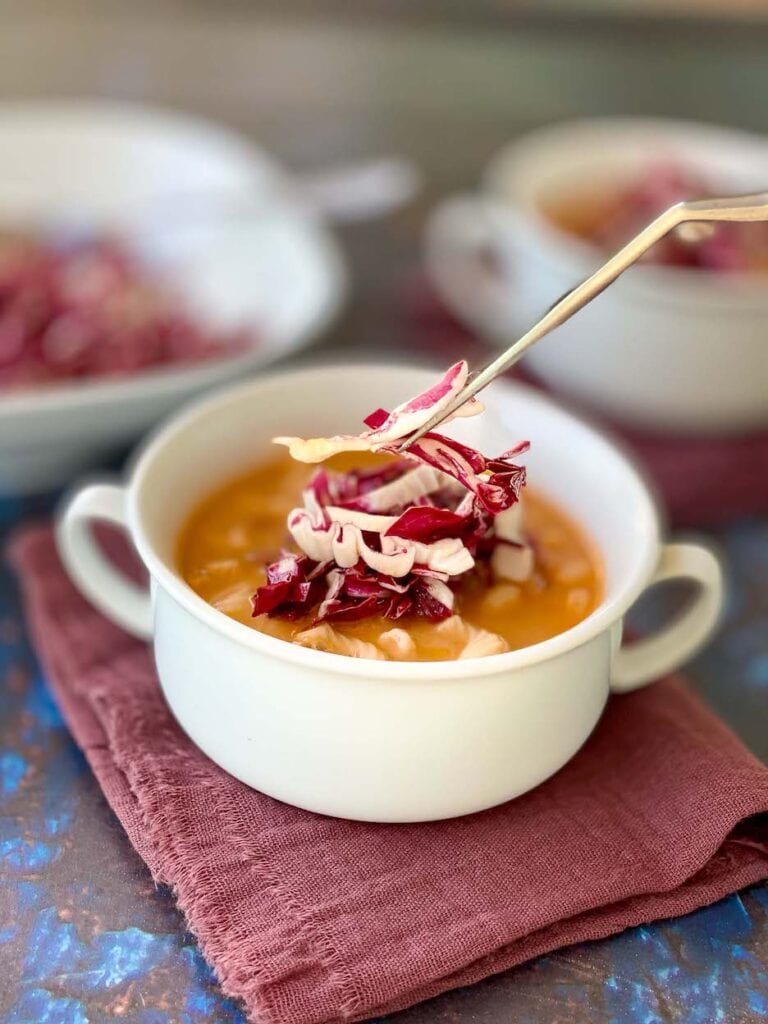
LEGUME AND VEGETABLE-BASED WINTER SAUCES
Winter Italian cooking relies heavily on legumes — filling, nourishing, and traditional.
Legume-based sauces are rustic and spoonable, often cooked slowly with onion, herbs, and olive oil. They belong to the cucina povera tradition and are still common on winter tables.
Popular Winter Combinations
- Lentils simmered with tomato and rosemary
- Chickpeas with garlic and olive oil
- Beans cooked slowly with onion and bay leaf

Best Pasta Pairings
- Ditalini
- Tubetti
- Maltagliati: it mean badly cut and it is an irregular pasta shape usually made of scraps from homemade pasta dough.
- Other small, sturdy pasta shapes
These sauces are simple but deeply satisfying.
BROTH-ENRICHED PASTA SAUCES
In winter, broth quietly becomes part of many pasta sauces.
A ladle of homemade broth adds depth without heaviness, especially in ragù, legume sauces, or pasta cooked “risottata.” This technique ties pasta dishes directly to traditional winter cooking, where nothing is wasted and flavor is built slowly.
Choosing the Right Pasta Shape for Winter Sauces
In Italian cooking, pasta and sauce are chosen together — especially in winter.
General Guidelines
- Thick sauces pair best with wide or ridged pasta
- Rich sauces benefit from egg pasta
- Chunky sauces need short shapes that trap ingredients
- This balance is what makes winter pasta dishes feel so satisfying and cohesive.
FINAL THOUGHTS: WINTER PASTA IS ABOUT WARMTH AND TIME
Italian winter pasta sauces are not about complexity or excess. They are about time, patience, and warmth.
They simmer while the kitchen fills with scent.They are made for Sundays, family meals, but also for a comforting week night dinner.
That is winter pasta in Italy — slow, comforting, and deeply rooted in tradition.


Thank you for the knowledge
Dear Dorothy,
Thank you for stopping by and for reading my guide. I hope you will find some recipes that inspires you and comfort you in this cold weather!
Thank you,
Laura